Harper Long · 12 September 2026
Bioluminescence Tours in Belwyn Reserve Highlight Ongoing Conservation Work
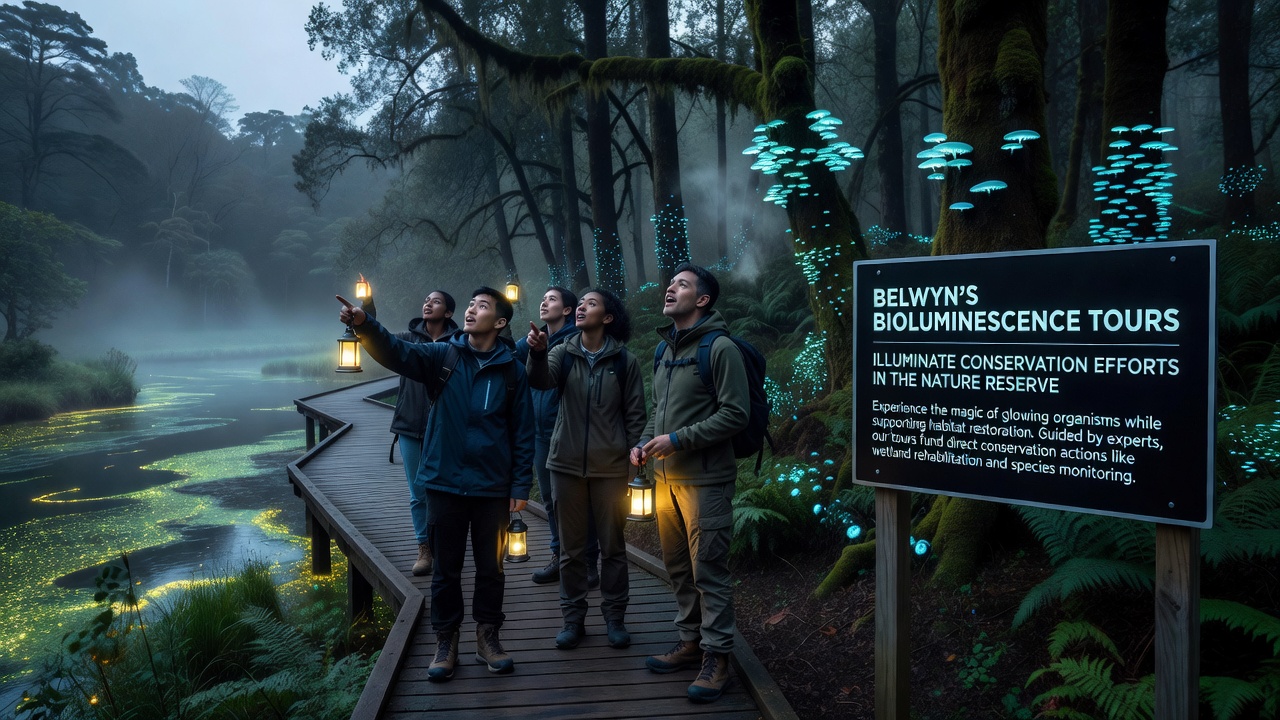
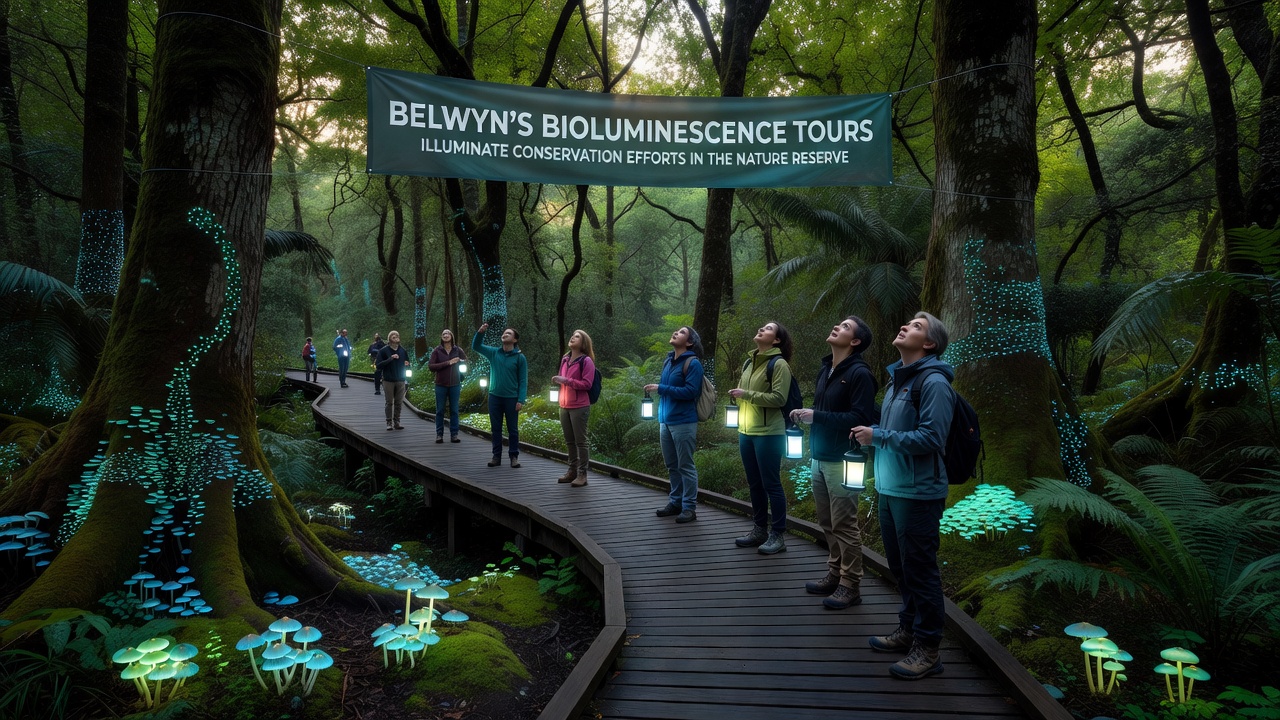
Belwyn's nature reserve has introduced guided bioluminescence tours that showcase natural light displays from marine organisms while directing proceeds toward habitat protection programs. These tours operate along designated coastal paths where visitors observe glowing plankton and other species under controlled conditions, and data collected during each outing contributes to ongoing monitoring efforts by local researchers.
Organizers schedule the excursions during peak bioluminescence seasons, with sessions running through September 2026 to align with increased visitor interest and extended daylight savings periods that allow safer evening access. Participants receive briefings on low-impact movement techniques before entering sensitive zones, which helps minimize disturbance to the resident ecosystems.
Reserve Background and Tour Operations
The reserve spans several kilometers of shoreline and supports diverse populations of bioluminescent dinoflagellates along with nocturnal fish species that produce light through chemical reactions in their tissues. Tour groups travel in small batches using red-filtered lights that preserve natural visibility without overwhelming the organisms' responses, and guides explain the biochemical processes that create the visible glow.
Each tour lasts approximately ninety minutes and follows fixed routes that avoid nesting areas during critical periods. Staff members record sightings and environmental conditions on standardized forms, which feed into databases maintained by reserve management. This systematic approach supplies consistent records that track changes in species distribution over multiple seasons.
Conservation Funding and Research Integration
Revenue from ticket sales supports trail maintenance, equipment upgrades for monitoring stations, and educational outreach in nearby communities. Reserve administrators allocate portions of the funds to restoration projects that plant native vegetation along buffer zones, which in turn stabilizes soil and reduces runoff into the water bodies where bioluminescent species thrive.
Research teams from regional institutions collaborate on sample collection during tours, examining water quality parameters and organism density levels. Findings from these studies appear in peer-reviewed reports that compare Belwyn conditions with similar sites elsewhere. One analysis published through the Australian Institute of Marine Science Australian Institute of Marine Science outlines parallel monitoring methods used in coastal reserves across different continents.
Additional partnerships connect the reserve with European environmental agencies that share protocols for light pollution reduction. These exchanges have led to the installation of shielded fixtures around access points, which limit artificial illumination that could interfere with natural bioluminescent signals.
Visitor Protocols and Educational Components
Before departure, groups review guidelines that prohibit flash photography and require closed footwear to protect against sharp rocks and fragile plant life. Guides demonstrate how to interpret changes in glow intensity as indicators of water movement or temperature shifts, turning each outing into an informal data-gathering exercise.
Post-tour discussions cover broader topics such as the effects of coastal development on plankton populations and the role of protected areas in maintaining biodiversity. Printed materials distributed at the end of each session direct interested individuals to supplementary resources from government monitoring programs.
Attendance records show steady participation across age groups, with repeat visitors often noting shifts in glow patterns between visits. These anecdotal observations supplement formal datasets and occasionally prompt targeted follow-up surveys by reserve staff.
Long-Term Monitoring Outcomes
Over successive years the reserve has documented stable or increasing counts of key bioluminescent species within tour-accessible zones. Metrics tracked include luminescence duration per square meter and species diversity indices derived from photographic records. Such measurements help evaluate whether current management practices maintain ecological balance under growing visitor numbers.
Comparisons with non-tour sections of the coastline provide control data that isolates the impact of guided access. Results indicate that regulated human presence correlates with continued habitat integrity when combined with active restoration measures. Reports from the European Environment Agency European Environment Agency supply comparative frameworks used to interpret these local findings against wider regional trends.
Conclusion
Belwyn's bioluminescence tours function as both public engagement tools and practical funding mechanisms for reserve management. Structured routes, data collection protocols, and revenue allocation together support sustained protection of the habitats that produce the observed light displays. Continued record-keeping through September 2026 and beyond will supply further evidence on the effectiveness of this integrated approach to conservation.