Casey Washington · 10 October 2026
Belwyn's Volunteer River Efforts Reveal Patterns in Local Biodiversity Recovery
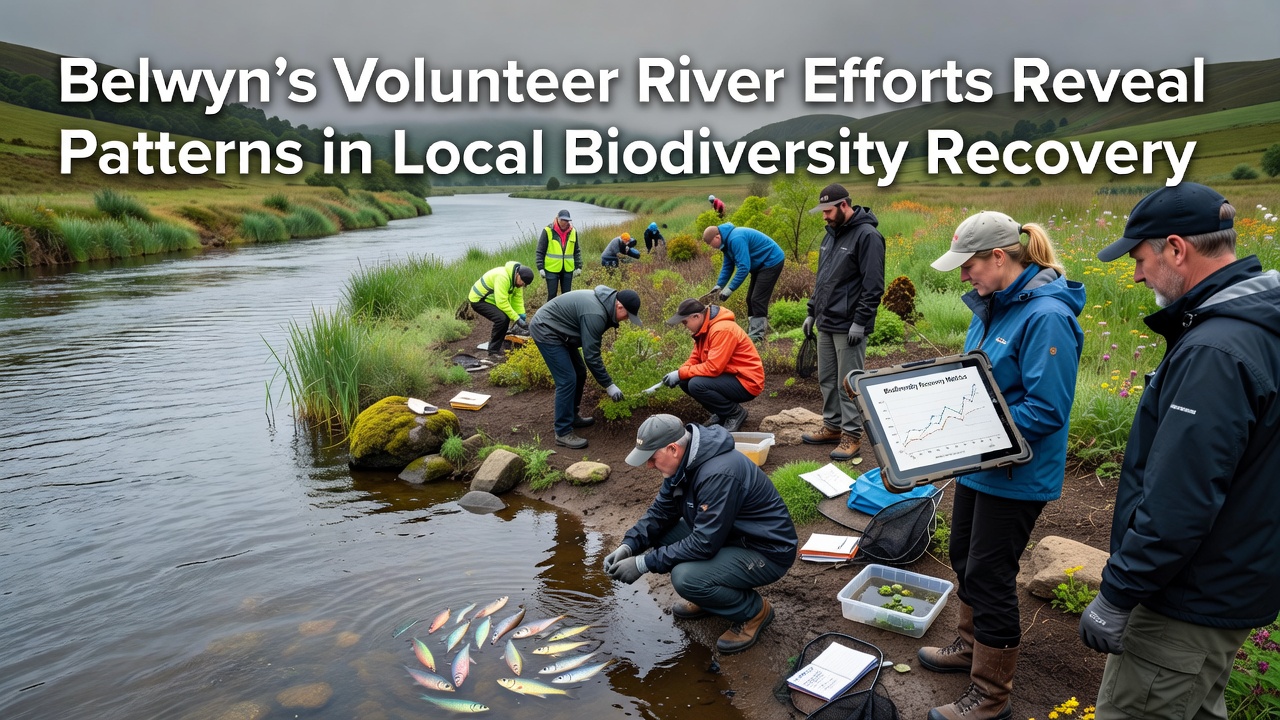
Belwyn's river restoration programs have drawn consistent participation from local residents who track changes in aquatic ecosystems through regular sampling and observation, and these activities have produced measurable data on species return rates since the initiatives began several years ago. Teams organize monthly surveys that record fish populations, macroinvertebrate counts, and plant coverage along designated stretches of the waterway, which allows researchers to identify recovery trends tied directly to reduced pollution levels and habitat improvements.
Establishing Consistent Monitoring Practices
Participants follow standardized protocols developed in partnership with regional environmental agencies, so each session gathers comparable information on water temperature, dissolved oxygen, and nutrient concentrations while also noting visual indicators such as algae presence and bank erosion. Over time these repeated measurements have shown gradual increases in sensitive insect species that serve as early indicators of improving conditions, and the same records indicate corresponding rises in fish diversity where previously only tolerant species appeared. Data collected through these volunteer networks feeds into larger databases maintained by university ecology departments, which cross-reference the findings with satellite imagery and professional field studies to confirm localized patterns.
Training sessions held at community centers prepare newcomers to identify key species and operate basic testing equipment, ensuring the information remains reliable across different volunteer groups. Coordination happens through an online platform that schedules shifts and shares preliminary results, which keeps participation steady even as seasonal weather affects river access. Reports generated from the accumulated datasets highlight specific recovery milestones, such as the reappearance of mayfly larvae in sections where they had been absent for over a decade.
Documented Shifts in Species Distribution
Analysis of five years of volunteer records reveals that certain stretches of the river now support multiple age classes of native trout, whereas earlier counts showed only sporadic adult sightings. Amphibian breeding sites have expanded along quieter tributaries, and bird surveys conducted alongside the water work note increased nesting activity by species that rely on healthy insect hatches. These observations align with broader regional assessments conducted by Environment and Climate Change Canada, which track similar recovery signals in comparable watersheds across the country.
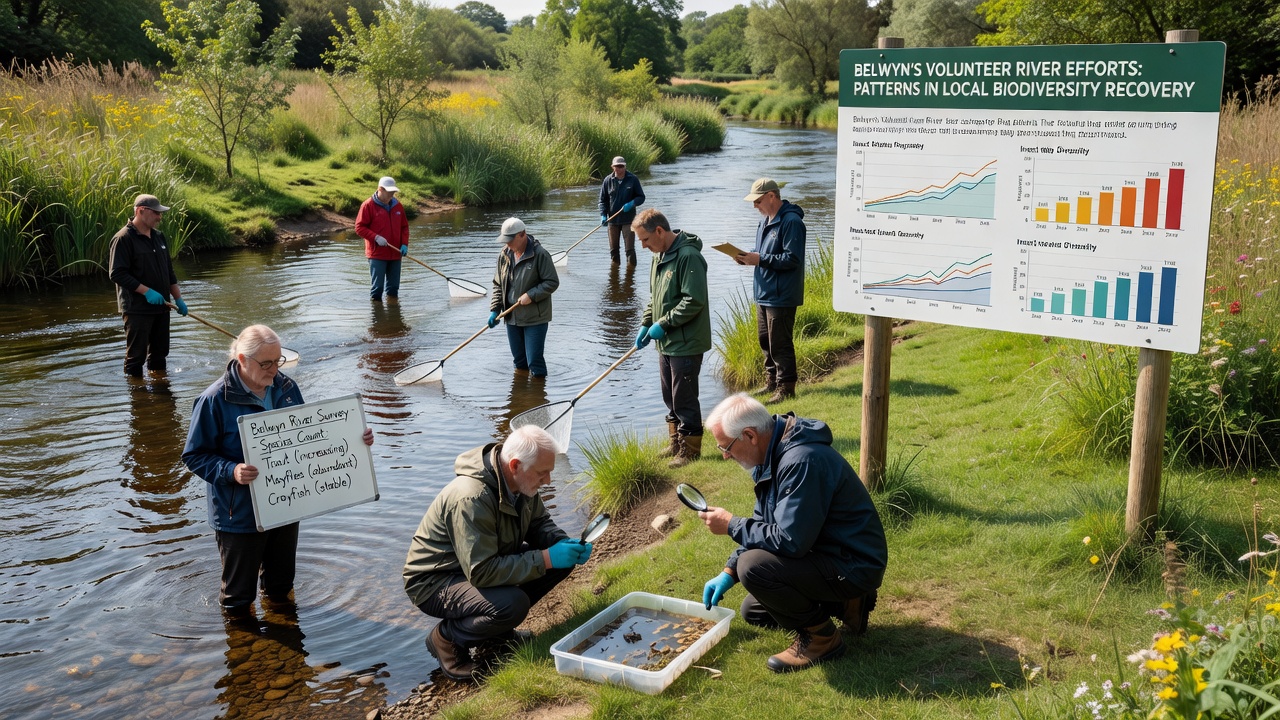
One notable pattern involves the timing of improvements: areas that received the earliest cleanup attention demonstrated the fastest rebound in plant diversity along the banks, while downstream zones continue to show slower but steady gains as sediment loads decrease. Volunteer teams also document the spread of invasive species and report removal efforts that prevent them from outcompeting recovering natives, providing an additional layer of data on management effectiveness. Such combined records allow ecologists to model future scenarios based on current intervention rates.
October 2026 Data Release and Ongoing Tracking
In October 2026 the compiled volunteer dataset underwent its annual review, which incorporated the latest round of spring and summer samples and confirmed continued upward trends in overall biodiversity indices. The review compared current figures against baseline measurements taken before organized efforts started, revealing that macroinvertebrate richness has risen by measurable percentages in priority zones. Government reports from the Australian Department of Climate Change, Energy, the Environment and Water offer parallel examples of how citizen-collected data contributes to national biodiversity strategies, and Belwyn's program follows similar verification standards.
Continued participation remains essential because long-term datasets capture cyclical variations that single-year studies might miss, such as responses to unusual rainfall patterns or temperature fluctuations. Volunteers have begun experimenting with additional sensors that transmit real-time readings, which supplements the manual counts and helps identify short-term events that affect recovery trajectories. Educational components built into the program introduce students to field methods, creating a pipeline of future contributors who understand both the techniques and the ecological significance of the results.
Conclusion
The patterns emerging from Belwyn's volunteer river work demonstrate how sustained local involvement can generate reliable evidence of ecosystem recovery, and the datasets continue to inform adaptive management decisions by regional authorities. As monitoring expands to include genetic sampling of water samples for species detection, the existing foundation of community-collected information provides a benchmark against which newer methods can be evaluated. These efforts illustrate the practical value of combining resident participation with scientific frameworks to document environmental change over time.