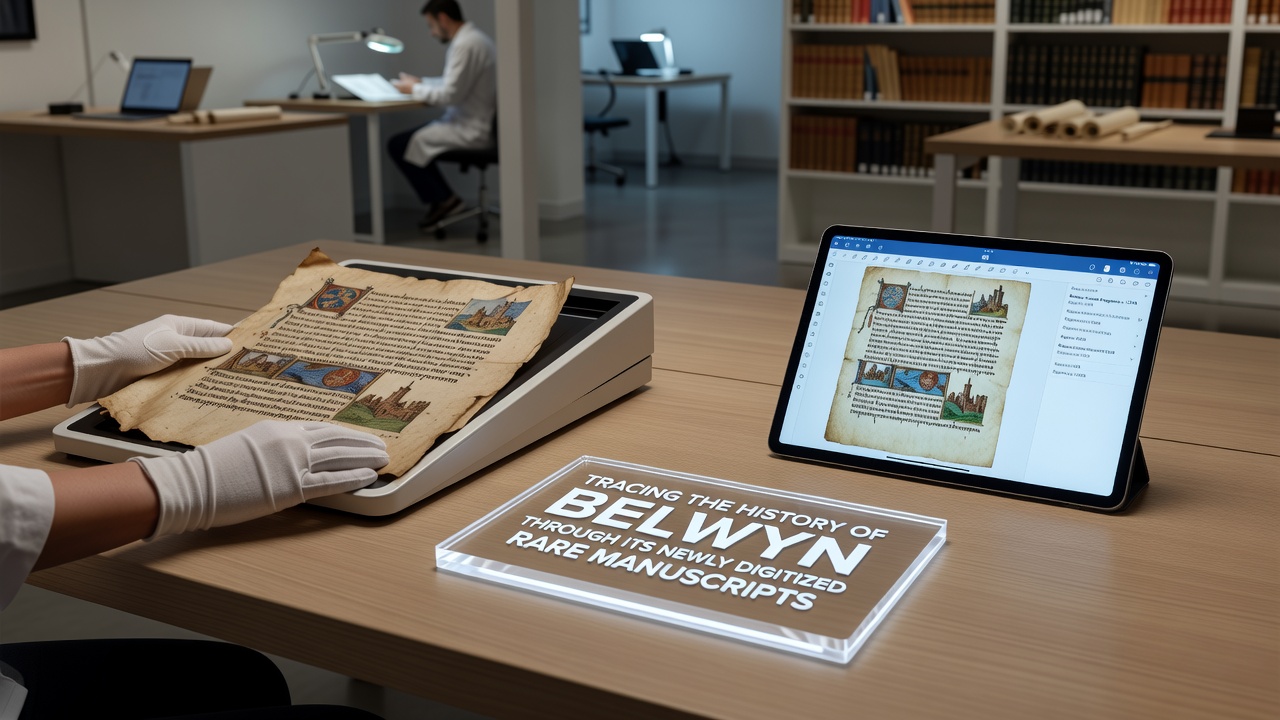
Anna Simmons · 26 September 2026
Belwyn's Hidden Narratives: How Digitized Manuscripts Illuminate Its Past
Belwyn's archival collections have long held fragments of its founding era, yet access remained limited until recent efforts brought dozens of rare documents into digital form, and researchers across multiple institutions began cross-referencing these materials with existing town records to map settlement patterns from the early 1700s onward. The manuscripts include land grants, correspondence between early administrators, and illustrated ledgers that detail trade routes connecting Belwyn to neighboring regions, while conservation teams applied specialized imaging techniques to recover faded ink without damaging the originals.
The Scope of the Digitization Project
Archivists completed the first phase of scanning in late 2025, covering over 200 items that span three centuries of local governance, agricultural practices, and community events, and this work drew on protocols developed by institutions such as the National Library of Australia for handling fragile parchment and paper. Funding came through a combination of regional heritage grants and private donations, which allowed for high-resolution photography alongside metadata tagging that links each document to geographic coordinates and timelines. Observers note that the resulting database already connects previously isolated entries, revealing how Belwyn's early infrastructure projects responded to seasonal flooding documented in a 1742 surveyor's journal.
Revelations from the Earliest Records
One ledger dated 1718 records the allocation of plots along what is now the main thoroughfare, and its entries show that families from three distinct migration waves received parcels based on skills rather than payment, which aligns with patterns described in broader colonial studies. A second set of letters from 1794 describes negotiations with indigenous groups over shared fishing rights, and these exchanges provide primary evidence of agreements that shaped resource management for decades afterward. Data from the digitized pages indicate population growth accelerated after 1820, with census notes embedded in merchant account books confirming the arrival of artisans who established the town's first mills.
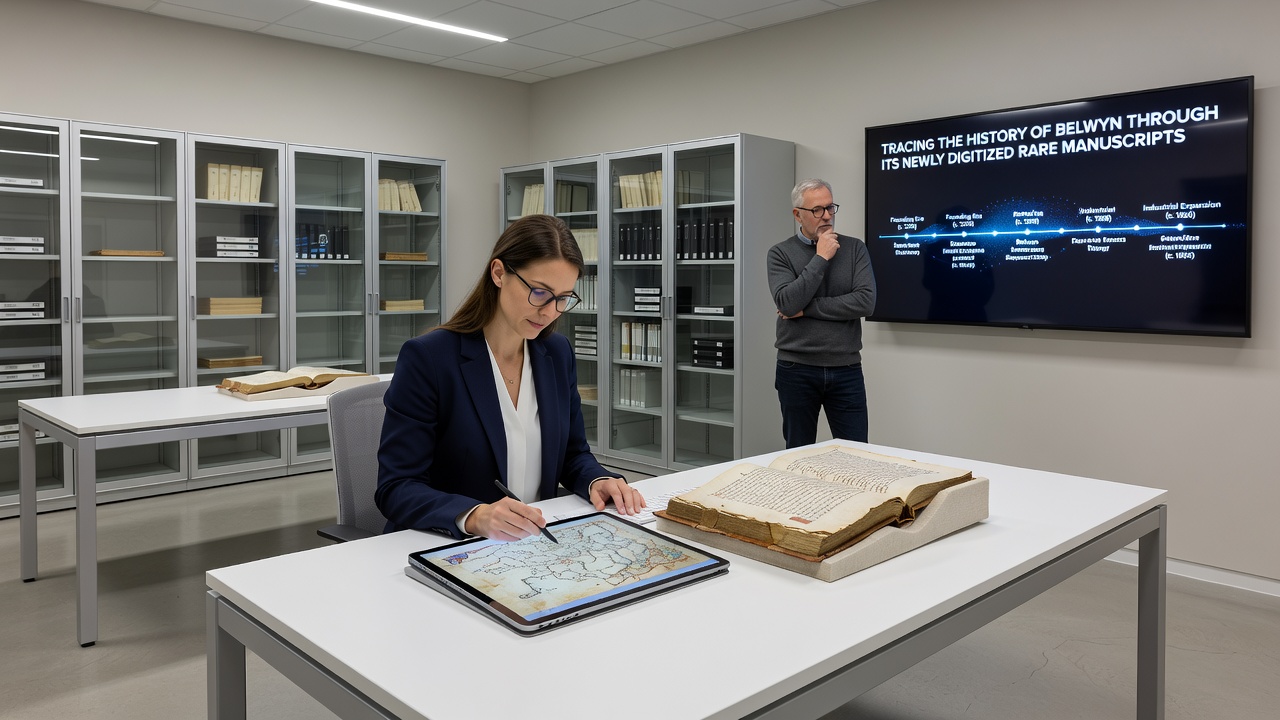
Additional materials include a 1857 diary kept by a schoolteacher who tracked enrollment alongside harvest cycles, and cross-referencing this diary with weather observations from the same period shows direct correlations between drought years and temporary school closures. Those who've examined the full set report that marginal sketches often depict building elevations, offering visual confirmation of structures mentioned in official deeds but never previously photographed. Such details fill gaps in local histories that relied solely on newspaper accounts, which began publication only in the 1880s.
September 2026 Milestones and Public Access
Project leads have scheduled the public launch of the complete online portal for September 2026, at which point users will be able to search the collection by keyword, date range, and location tag without visiting the physical archive. Training sessions for local educators are planned in advance so that classroom materials can incorporate primary sources from the outset, and preliminary tests indicate that the interface will support side-by-side viewing of original scans and transcribed text. Partnerships with regional universities have already produced student-led transcriptions that feed back into the database, creating an iterative improvement loop documented in progress reports issued quarterly.
Broader Implications for Regional History
Evidence from the manuscripts challenges earlier assumptions that Belwyn developed in isolation, because shipping manifests list regular exchanges with ports as far as the Atlantic coast by the mid-1700s. According to records preserved at the Library of Congress digital collections, similar trade patterns appear in neighboring counties, yet Belwyn's ledgers add granular data on commodity prices that refine economic models used in academic research. A separate study from the Canadian Heritage information network on manuscript digitization benchmarks confirms that Belwyn's approach matches standards for metadata richness, which facilitates future comparative work across borders.
Community members have begun contributing family-held documents for inclusion in later phases, and preliminary inventories suggest these additions will extend coverage into the early twentieth century. Such collaboration expands the project's reach while maintaining strict provenance tracking that meets professional archival guidelines.
Conclusion
The ongoing digitization of Belwyn's rare manuscripts continues to connect disparate threads of local history into a coherent timeline, and the September 2026 public release will extend that access to anyone with an internet connection. Researchers anticipate further discoveries as more eyes examine the materials, while the infrastructure built during this project supports sustained updates and new contributions. The work demonstrates how systematic preservation efforts can transform scattered documents into an integrated resource for understanding regional development over centuries.