Harper Long · 24 October 2026
Belwyn Library's Manuscript Digitization Project Unveils Forgotten Local Histories
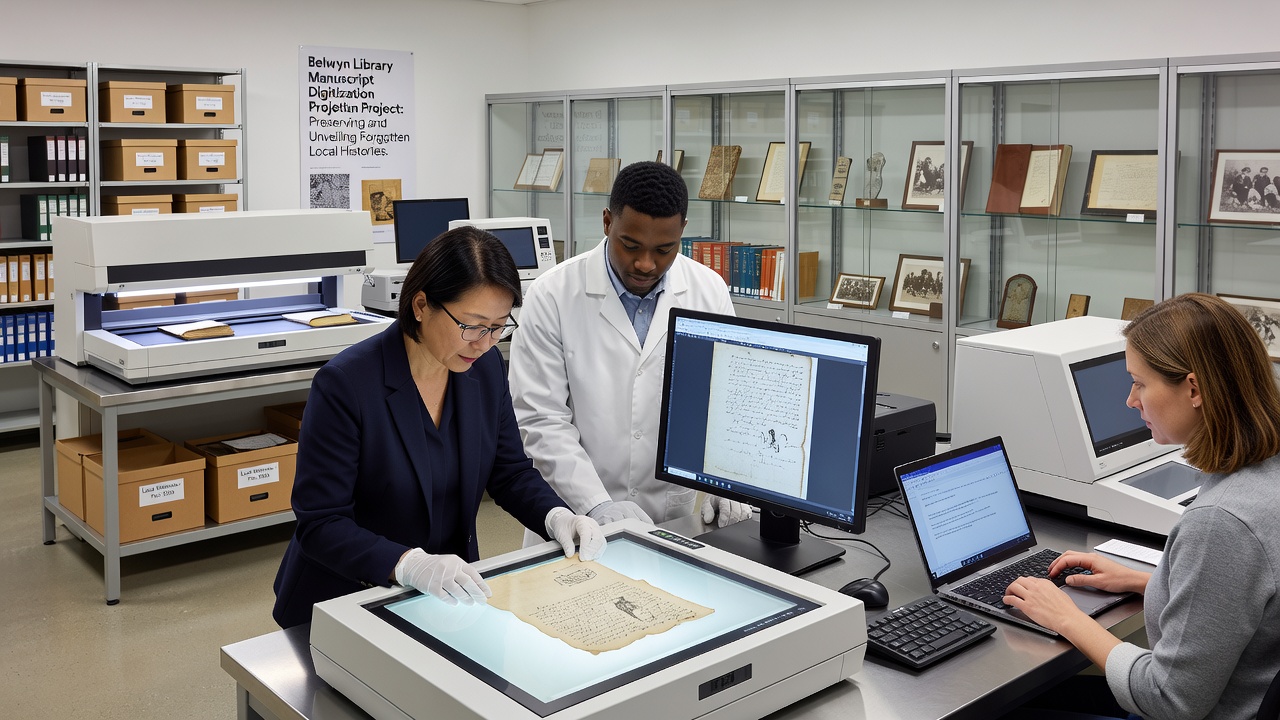
Belwyn Library launched its manuscript digitization project in early 2025 to preserve and share historical documents that had remained inaccessible for decades, and the effort has already brought to light several previously undocumented accounts of 19th-century settlement patterns along the region's river valleys. Researchers began by cataloging over 2,400 individual items stored in climate-controlled vaults, including personal diaries, land deeds, and correspondence between early traders and indigenous community leaders.
Project Background and Timeline
The initiative received funding from multiple regional heritage grants, which allowed the library to acquire high-resolution scanners capable of handling fragile parchment without causing additional wear. Staff completed the first phase of scanning by September 2025, and they scheduled a public unveiling of initial findings for October 2026 during the annual local history symposium. This timeline aligned with broader efforts by institutions across North America and Europe to standardize digital preservation protocols, as outlined in guidelines from the Library of Congress.
Observers note that the project built on earlier pilot programs conducted by smaller archives in the Midwest, where similar digitization work revealed overlooked agricultural records from the 1870s. Belwyn Library adapted those methods by incorporating multispectral imaging techniques that can detect erased text or faded ink on documents exposed to moisture over time.
Key Discoveries from the Collections
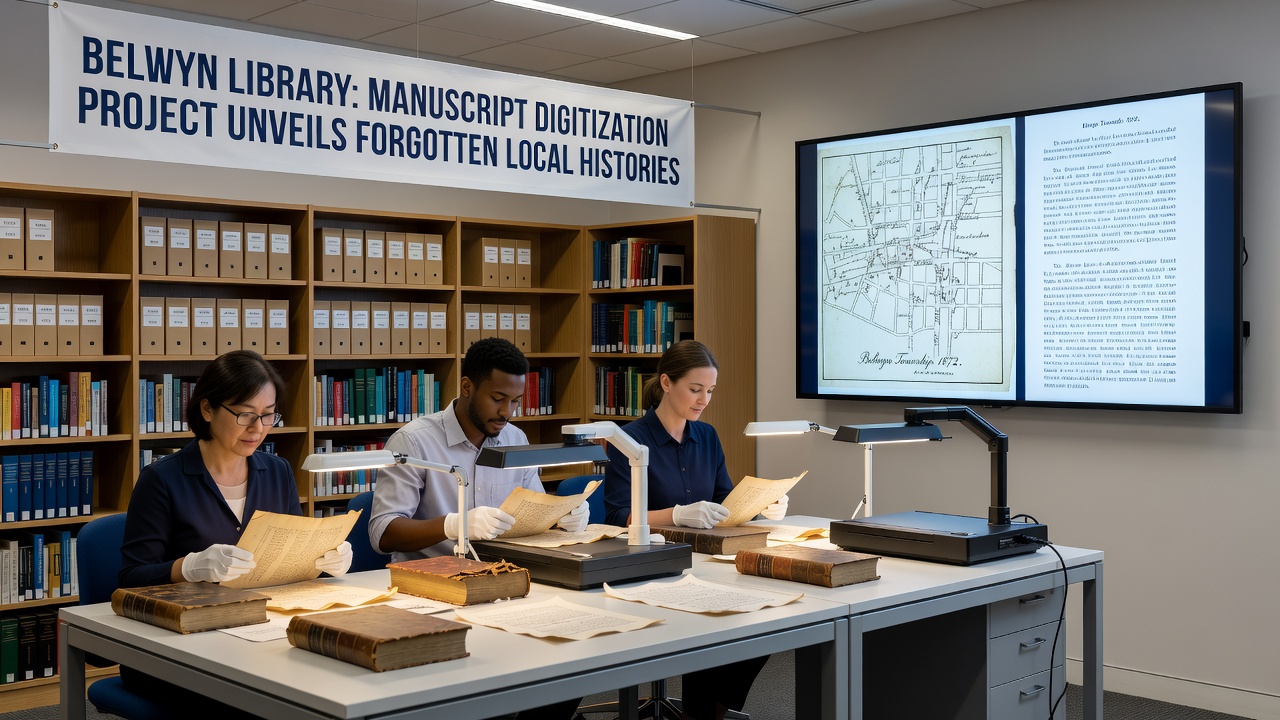
Among the materials processed so far, archivists identified a set of letters written by a local schoolteacher in 1887 that describe community responses to a severe drought, complete with hand-drawn maps of irrigation attempts along what is now the eastern boundary of Belwyn Reserve. These documents connect directly to oral histories collected in the 1920s, providing written confirmation of events that had previously existed only in family recollections.
Another find involved shipping manifests from a small trading post that operated near the current town center between 1842 and 1859, and these records list transactions involving furs, tools, and seeds exchanged with travelers heading westward. Cross-referencing with census data from the same period has allowed local historians to trace the movement of specific family names through the area, filling gaps in municipal records that were lost during a courthouse fire in 1903.
Technology and Methods Employed
Staff members use a combination of overhead cameras and flatbed scanners calibrated for varying paper thicknesses, while software developed in collaboration with university computer science departments automatically corrects for curvature and enhances contrast on aged surfaces. Metadata standards follow those promoted by the International Council on Archives, which ensures that each file includes details on provenance, condition, and any conservation treatments applied before scanning.
Once digitized, files undergo quality control checks before upload to the library's online portal, where users can search by keyword, date range, or geographic reference. The system also generates thumbnail previews and allows side-by-side comparison of original scans with enhanced versions, a feature that researchers have used to identify watermarks and paper stock origins.
Community Access and Educational Integration
Local schools began incorporating selections from the digitized collection into social studies curricula during the 2025-2026 academic year, and teachers report that students have shown particular interest in the personal letters that describe everyday life during periods of rapid change. The library offers monthly workshops on navigating the digital archive, and these sessions have drawn participants ranging from genealogists tracing family lines to environmental scientists studying historical land use patterns.
Access remains free through the library website, although some high-resolution files require an account to download for research purposes. Partnerships with neighboring libraries in adjacent counties have expanded the reach of the materials, allowing remote users to request physical copies of originals when digital versions prove insufficient for detailed analysis.
Broader Context and Future Phases
Similar projects elsewhere have demonstrated how digitization can surface narratives that challenge established local histories, and Belwyn's work follows this pattern by highlighting contributions from women and immigrant communities that earlier published accounts had minimized. The second phase of the project, scheduled to begin after the October 2026 symposium, will focus on three-dimensional imaging of bound volumes and the creation of virtual exhibits that place documents within reconstructed historical settings.
Funding applications for continued work have been submitted to national heritage bodies, and preliminary indications suggest support will extend through 2028. This extension would permit the inclusion of audio recordings of oral histories that complement the manuscript materials, creating a layered resource for future scholars.
Conclusion
The Belwyn Library manuscript digitization project continues to expand the available record of regional development through systematic preservation and public access, with new materials added to the online collection on a quarterly schedule. Those who have examined the early releases note that the work connects isolated fragments into coherent stories of adaptation and exchange that span more than a century. Further updates will be announced through the library's regular communications channels as additional phases advance.